
KSh15,000.00 Original price was: KSh15,000.00.KSh12,000.00Current price is: KSh12,000.00.

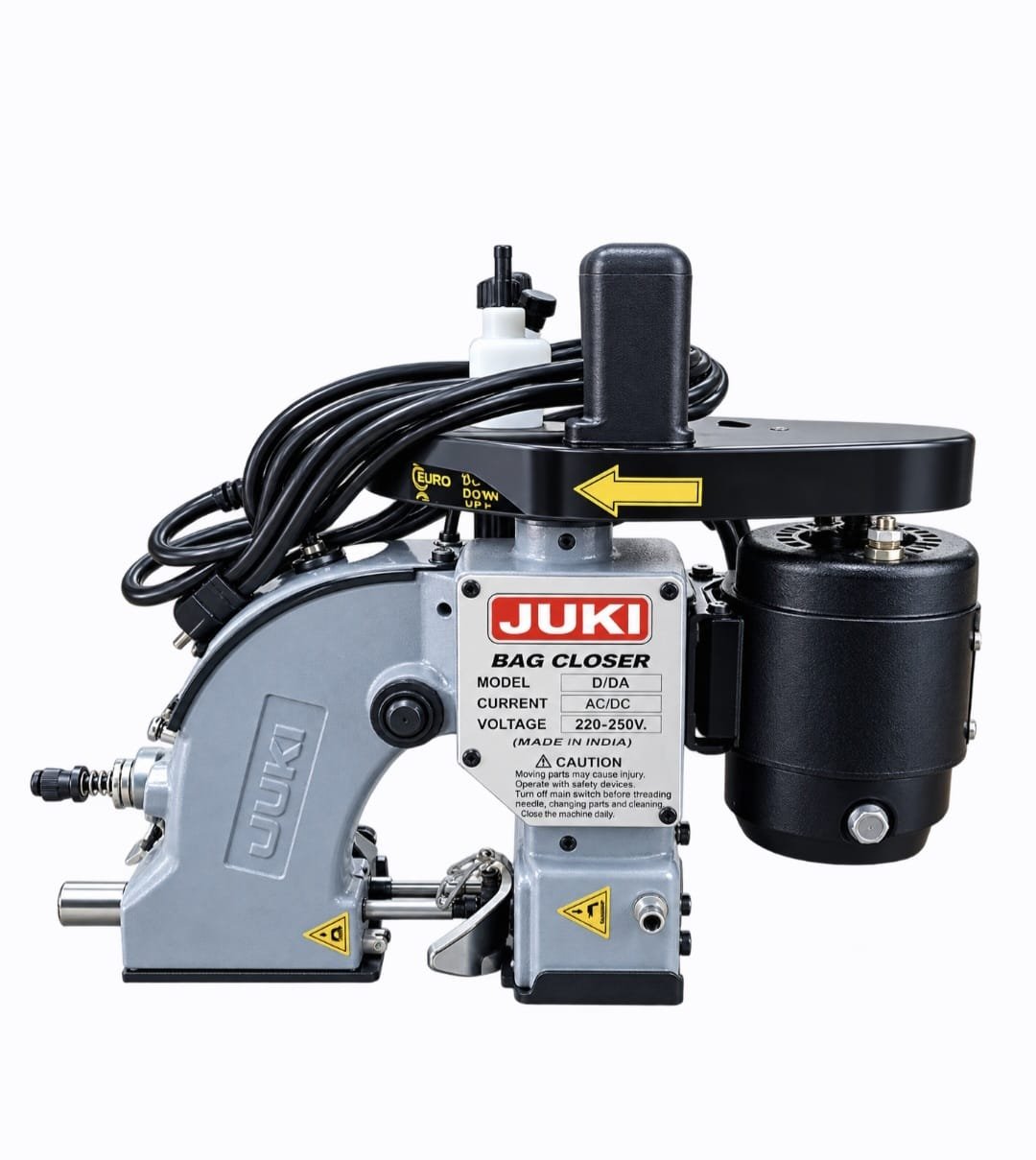
The Juki Bag Closure Machine is designed to help businesses and agricultural operators close filled bags and sacks securely using a stitching mechanism. It is a practical packaging solution for operations that handle products such as animal feed, grains, maize, flour, seeds, and other compatible bagged materials.
Closing bags properly is an important part of packaging, storage, transportation, and distribution. Loose or poorly closed bags can allow products to spill, become contaminated, or create unnecessary handling problems. A suitable bag closure machine helps create a secure stitched seam, making filled bags easier to handle, stack, store, and transport.
The Juki bag closure machine is intended for businesses seeking to improve the efficiency of bag stitching and reduce reliance on manual bag-closing methods. Depending on the specific model, the machine may be suitable for agricultural processing facilities, grain stores, animal feed manufacturers, flour mills, warehouses, and other packaging operations.
Whether you package animal feed, cereals, flour, fertilizer, or other compatible products, a bag closing sewing machine can help streamline your packaging workflow and support more consistent bag closure.
Note: The exact Juki model has not been specified. Features, sewing speed, power requirements, portability, and supported bag materials should be confirmed with the supplier before purchasing.
The primary function of a bag closure machine is to stitch the open ends of suitable bags after filling. The stitching mechanism helps hold the bag opening together, reducing the likelihood of accidental spillage during routine handling.
Compared with closing bags entirely by hand, a suitable bag stitching machine can help make packaging more efficient, particularly when several bags need to be closed in succession.
The quality of the finished seam depends on the machine’s design, thread selection, needle compatibility, bag material, and correct adjustment.
Bag stitching machines are commonly used in agricultural packaging operations where products are filled into woven or other compatible bags.
Depending on the specific model and its stitching mechanism, suitable applications may include closing bags containing:
Always check that the machine is designed for the particular bag material and packaging conditions. Not every bag closer is suitable for every bag type or industrial material.
Consistency is important in packaging, especially when products are prepared for storage, delivery, or commercial distribution.
A properly adjusted bag closure machine can help produce more consistent stitched seams across multiple bags. This supports an organized packaging process and helps reduce variation associated with manual bag closing.
The strength and suitability of the seam depend on the bag material, thread type, stitch formation, and machine settings.
Businesses that fill and close large numbers of bags may benefit from mechanized bag stitching. A suitable machine helps reduce repetitive manual work and can make it easier to maintain a steady packaging routine.
This may be particularly useful for animal feed manufacturers, grain merchants, agricultural cooperatives, flour mills, and other businesses that package products in sacks.
Actual packaging output depends on the machine’s sewing speed, the operator’s experience, the bag type, and how the filling and closing stages are organized.
Properly stitched bag openings help keep compatible packaged materials inside the bag during normal handling and transportation.
This is important for products such as grain, animal feed, and flour, where a poorly closed bag can cause losses and create unnecessary cleaning work.
A stitched closure should be appropriate for the product, bag material, storage conditions, and transportation requirements. The machine does not make a bag completely airtight or waterproof unless the packaging system is specifically designed for that purpose.
A bag closure machine can be a useful addition to businesses that regularly package goods in bags or sacks.
Potential users include:
The suitability of a particular Juki machine depends on its model, construction, stitching capability, operating method, and the materials being packaged.
Improved packaging efficiency: Helps streamline the process of stitching filled bags closed.
Reduced manual work: Minimizes dependence on hand-sewing methods for repetitive bag-closing tasks.
Consistent bag closure: Supports uniform stitching when the machine is correctly adjusted and maintained.
Reduced spillage risk: Helps secure bag openings during normal handling and transportation.
Versatile packaging applications: Suitable for compatible agricultural products, grains, feed, and other bagged materials.
Better workflow organization: Helps integrate the bag-closing stage into filling, weighing, storage, and dispatch operations.
Practical for frequent packaging: Can be useful for businesses that regularly handle large numbers of filled bags.
Support for product handling: Properly stitched bags can be easier to stack, store, and transport, depending on their construction and contents.
Animal feed manufacturers can use a suitable bag closure machine to stitch filled feed bags after weighing and filling. This helps prepare packaged feed for storage, distribution, and sale.
The machine must be compatible with the type of bag used for the feed product.
Grain merchants, agricultural cooperatives, and grain processing facilities can use suitable bag stitching equipment to close bags containing maize, wheat, rice, and other compatible cereals.
A reliable closure helps reduce spillage during handling and transportation.
Businesses packaging flour and other compatible dry powders may use a bag closure machine designed for their particular bag material and packaging process.
For dusty products, operators should also consider suitable dust-control measures and ensure the machine is appropriate for the operating environment.
Agricultural businesses may use bag stitching equipment to close bags of seeds and compatible agricultural products. The correct bag type, stitching method, and closure strength should be selected according to the product and distribution requirements.
Warehouses and distribution businesses that receive, repack, or dispatch bagged goods may benefit from having a suitable bag closure machine available for routine packaging tasks.
Manufacturers packaging compatible dry products in sacks can incorporate bag stitching into their production workflow. The machine should be selected according to the volume of bags processed, required closure quality, and the bag material.
Before purchasing a Juki bag closure machine, consider the type of packaging work you perform and the features required for your operation.
Bag material: Confirm whether the machine supports woven polypropylene, paper, cloth, or other intended bag materials.
Bag size and thickness: Ensure that the machine can handle the dimensions and thickness of the bags you use.
Operating style: Check whether the model is handheld, portable, or designed for installation at a fixed packaging station.
Power requirements: Confirm the motor configuration, voltage, electrical supply, and any battery requirements.
Stitching system: Ask about the stitch type, compatible thread, needle specification, and closure method.
Packaging volume: Consider the number of bags you need to close per hour or per day.
Maintenance and spare parts: Confirm the availability of needles, thread-related components, replacement parts, and servicing support.
Warranty and technical support: Check warranty conditions, operator guidance, and supplier support.
Verifying these requirements helps ensure that the machine is suitable for your packaging workflow.
Correct use and routine maintenance help preserve stitching quality and reliable performance.
For food and animal feed packaging, maintain suitable hygiene practices to help prevent contamination during the bag-closing process.
The Juki Bag Closure Machine is an option for businesses that need a practical method of stitching compatible bags closed after filling. A suitable bag-closing machine can reduce repetitive manual work, support consistent seams, and help organize packaging activities.
For grain merchants, animal feed producers, agricultural businesses, and manufacturers of bagged dry products, bag stitching is an important stage of preparing goods for storage and distribution.
Before purchasing, confirm the exact model and its supported bag materials, operating method, stitching specifications, power requirements, and expected packaging capacity. Selecting a machine that matches your operation will help you achieve reliable closure and a more efficient packaging workflow.
Fast, reliable delivery to all regions nationwide.
100% genuine and certified products.
Manufacturer-backed warranty on all products.

Reviews
There are no reviews yet.