KSh10,500.00 Original price was: KSh10,500.00.KSh8,500.00Current price is: KSh8,500.00.
Professional Overlock Stitching: Designed for neat fabric-edge finishing and reducing fraying during garment production.
Supplied Without Motor: Ideal for buyers who already have a compatible motor or prefer to purchase one separately.
Made in India: Country of origin specified as India; verify product labeling and model details with the supplier.
Clean Seam Finishing: Helps produce tidy edges and professional-looking seams on compatible fabrics.
Versatile Garment Applications: Suitable for tailoring shops, fashion studios, clothing workshops, and garment manufacturing businesses.
Improved Sewing Efficiency: Supports consistent fabric finishing for regular sewing and production tasks.
Motor Compatibility: Confirm the recommended motor, mounting arrangement, and drive specifications before installation.

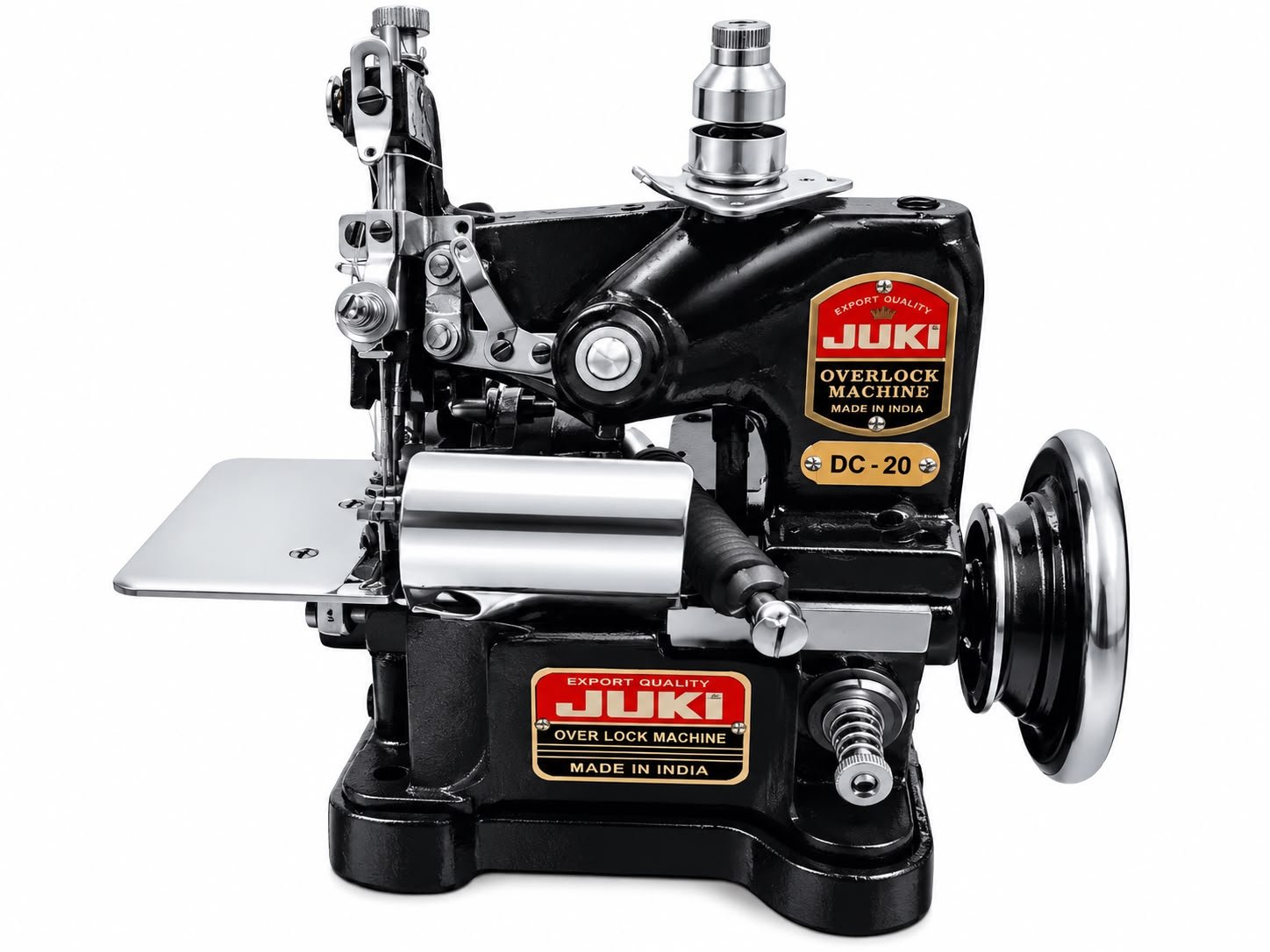
The Juki Overlock Machine Without Motor, Made in India, is designed for tailors, garment manufacturers, fashion designers, and sewing businesses that need professional fabric-edge finishing and efficient garment construction. An overlock sewing machine helps stitch and finish fabric edges to reduce fraying, create neat seams, and improve the overall appearance of finished garments.
This model is supplied without a motor, making it an option for buyers who already have a compatible motor or prefer to purchase the motor separately according to their workshop requirements. Before installation, confirm the machine’s drive system, motor compatibility, mounting arrangement, and operating requirements with the supplier.
Overlock sewing is an important part of garment production because raw fabric edges can unravel during handling and repeated use. An overlock machine creates a stitch that wraps around the fabric edge, helping secure loose fibres and produce a cleaner finish. Depending on the model’s configuration, it may also trim the fabric edge while stitching.
The Juki overlock machine can be a useful addition to tailoring shops, clothing workshops, fashion studios, and garment production facilities that require consistent edge finishing. The exact stitch options, thread configuration, operating speed, and fabric compatibility depend on the specific model.
Whether you are starting a tailoring business, expanding an existing sewing workshop, or upgrading your garment finishing equipment, the Juki Overlock Sewing Machine Without Motor offers a practical option for professional sewing applications.
The primary function of an overlock sewing machine is to finish fabric edges using an overlocking stitch. This stitch wraps thread around the fabric edge, helping prevent fraying and creating a neat finish.
Overlock stitching is widely used in garment production because it can help improve the appearance and durability of suitable fabric edges. The result depends on the stitch configuration, thread quality, needle selection, tension settings, and material being sewn.
This product is specifically described as an overlock machine without a motor. This can suit buyers who already have a compatible motor or want to select a separate motor based on their sewing requirements.
Before purchasing a motor separately, verify the machine’s drive arrangement, mounting requirements, pulley specifications, and compatibility with the proposed motor. Using an incompatible motor or drive system may affect operation and safety.
The machine should be installed and tested by a suitably qualified technician where required.
An overlock machine helps finish raw fabric edges to reduce fraying and improve garment appearance. This is especially useful when making clothing that requires clean internal seams and tidy edges.
Depending on the model, the machine may combine stitching with fabric-edge trimming. Confirm whether this feature is available on the specific unit being supplied.
Depending on its stitch type and thread configuration, an overlock machine can be used to join compatible fabric pieces while finishing their edges.
This makes it useful for different stages of garment construction, particularly when working with fabrics that require secure, neatly finished seams. Its capabilities depend on the exact model, and it should not be assumed to replace every other type of sewing machine.
Many garment workshops use an overlocker alongside a straight-stitch sewing machine because the two machines perform different functions.
The Juki overlock machine may be suitable for a range of sewing environments, including:
The machine’s suitability depends on the specific model, the types of garments being produced, fabric thickness, and the required seam finish.
The product is described as Made in India. Buyers should verify the country-of-origin information against the machine’s label, packaging, or accompanying documentation.
It is also advisable to confirm the exact model designation, supplier details, and available replacement parts to support maintenance and future servicing.
Because the machine is supplied without a motor, buyers may have the flexibility to choose an appropriate compatible motor separately. The suitable motor will depend on the machine’s intended operation, drive system, mounting design, and electrical requirements.
Confirm the recommended motor specification with the supplier rather than selecting one solely on horsepower or price.
Professional seam finishing: Helps create neat fabric edges and reduce fraying.
Flexible motor arrangements: Allows the buyer to source a compatible motor separately, subject to the machine’s specifications.
Improved garment finishing: Supports cleaner-looking seams on suitable fabrics.
Versatile sewing applications: Can be used for various garment-finishing tasks depending on the model’s stitch configuration.
Supports workshop productivity: Helps integrate edge finishing into the garment production workflow.
Suitable for sewing businesses: Useful for tailors, fashion designers, clothing manufacturers, and garment workshops.
Potential use with existing equipment: May suit buyers who already own a compatible motor or drive arrangement.
Made-in-India product specification: Provides a stated country-of-origin detail for buyers to verify before purchasing.
Tailors can use an overlock machine to finish exposed fabric edges and improve the appearance of seams when making or altering garments.
Its suitability for a particular repair depends on the fabric, seam type, and capabilities of the model.
Depending on the machine’s stitch configuration, an overlocker may be suitable for finishing or assembling compatible knit and woven fabrics used in T-shirts, tops, casual trousers, and similar garments.
Check the machine’s specifications to determine whether it supports the fabric and seam types required for your products.
Uniform makers may use overlock stitching to finish garment edges and construct compatible seams. Consistent machine setup, appropriate thread selection, and routine maintenance help support uniform sewing results across production batches.
Fashion designers and garment makers can use an overlock machine to finish internal seams, prepare fabric edges, and support garment assembly.
It can complement other sewing equipment used for straight stitching, decorative stitching, buttonholes, and specialised sewing tasks.
For a tailoring or garment production business, an overlock machine can expand the available finishing capabilities and help produce cleaner results on suitable fabrics.
Because this model is supplied without a motor, consider the additional cost and installation requirements of the compatible motor and drive system when planning your workshop setup.
Training facilities may use an overlock machine to teach learners how to finish fabric edges, thread the machine, adjust tension, and perform routine maintenance.
Safe installation and appropriate instruction are essential, particularly when the machine is being fitted with a separately sourced motor.
The exact operating procedure depends on the specific model. Always follow the manufacturer’s instructions and confirm the correct motor and drive arrangement before use.
Do not operate the machine with an improvised or incompatible drive system. Ensure that required guards and safety features are installed before use.
Regular maintenance helps preserve stitch quality and supports reliable operation.
Always disconnect the motor’s power supply before changing needles, cleaning, adjusting, or servicing the machine.
To ensure the Juki overlock machine meets your needs, confirm the following details with the supplier:
Exact model number: Identifies the machine’s functions, stitch capabilities, and compatible parts.
Motor requirements: Confirm the appropriate motor type, power rating, mounting arrangement, and drive specifications.
Thread configuration: Check whether the machine is a 3-thread, 4-thread, or another configuration.
Stitch capabilities: Verify the available stitch types and intended fabric applications.
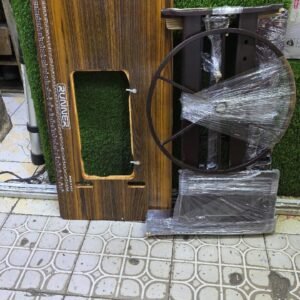
Included components: Confirm whether the motor, sewing table, stand, thread stand, needles, tools, and accessories are excluded or available separately.
Operating speed: Ask for the rated maximum sewing speed where relevant to your production requirements.
Country of origin: Verify the Made in India description using the product label or documentation.
Warranty and servicing: Confirm warranty coverage, spare-part availability, and access to technical support.
These checks are especially important because the machine is supplied without a motor, and the complete setup may require additional components before it is ready for use.
The Juki Overlock Machine Without Motor, Made in India, is an option for tailors, garment manufacturers, and sewing workshops that need equipment for professional fabric-edge finishing but prefer to source the motor separately.
Its overlock stitching function can help reduce fabric fraying and improve the appearance of compatible garment seams. With a properly selected motor, correct installation, and suitable machine setup, it can support routine sewing and garment finishing activities.
Before purchasing, confirm the exact model, stitch configuration, motor compatibility, included accessories, and warranty terms. These details will help you determine the overall setup cost and ensure the machine is suitable for your sewing requirements.
Fast, reliable delivery to all regions nationwide.
100% genuine and certified products.
Manufacturer-backed warranty on all products.
Reviews
There are no reviews yet.